In this article
- What does overhead and profit mean on an insurance claim?
- How do you structure O&P in Xactimate without raising red flags?
- Why are aerial measurement reports critical for justifying contractor overhead?
- When should a roofing contractor push back on an O&P denial?
- Why does turnaround speed determine your success during storm season?
- How Storm Xactimate handles this for you
- What are common questions about roof claim overhead and profit?
- How much does insurance pay for overhead and profit?
- What should you avoid saying to a roof insurance adjuster?
- Does a roofing contractor need three trades to get O&P approved?
- Can a property owner keep the overhead and profit payout?
Overhead and profit (O&P)—traditionally 10% overhead and 10% profit—applies when repair complexity requires a general contractor to coordinate multiple trades, oversee safety, or manage high-risk logistics. While adjusters frequently strip it from single-trade shingle jobs, thorough documentation of trade coordination establishes legitimate entitlement to general contractor supervision under standard estimating practices. This coordination often involves detached and reset gutters, siding, flashing, and interior drywall repairs.
Source: Storm Xactimate.
Leave O&P off your initial estimate, and you eat directly into operating margins. Slap an arbitrary surcharge onto a simple roof scope, however, and you guarantee an immediate desk adjuster rejection along with drawn-out supplement disputes. For a roofing contractor in 2026, justifying general contractor overhead demands a precise, documented approach.
What does overhead and profit mean on an insurance claim?
Overhead covers general operating expenses detached from any single job site: office rent, estimating software, vehicle fleets, licenses, and general liability insurance. Profit represents the net return earned for managing the build's financial risk and operational coordination.
Carriers typically lean on an informal "three trades" rule to decide if a claim warrants O&P. In practice, trade complexity matters far more than an arbitrary headcount. A tear-off involving severe pitches, custom valley metal, complex flashing tie-ins, and separate specialty subcontractors demands significant project management.
Understanding Xactimate unit pricing mechanics clarifies why adjusters push back. Trade-level overhead and profit are already factored into individual line items for labor and materials. When you bill a shingle installation rate per SQ, the roofer's baseline overhead is already inside that number. Toggling general contractor O&P across the board without demonstrating multi-trade coordination looks like double-dipping to a carrier. To justify that additional 10 and 10, you must prove the job requires general contractor oversight rather than routine crew labor.
Consult the official Verisk guidelines on overhead and profit to review their published position on how these percentages apply to general contractor supervision.
How do you structure O&P in Xactimate without raising red flags?
Checking the global O&P box across an entire estimate invites an instant desk rejection. Instead, build your ESX file to make project complexity obvious at a glance:
- Apply O&P selectively to appropriate trade groups. Target demolition, steep roof access, steep and high charges, gutter detachment and reinstallation, and drywall repairs. Isolating the specific line items that demand coordination makes your estimate read like a legitimate general contractor scope rather than a blanket markup.
- Group line items by trade code. Organize distinct groupings for roofing (RFG), gutters and downspouts (GTR), siding, soffit, and fascia (SDG), and interior work. When an adjuster opens the file and immediately sees discrete trade categories, the multi-trade nature of the project is clear.
- Include legitimate project management line items. When tight property lines, steep terrain, or delicate landscaping require hands-on logistical control, bill for it. Include explicit line items for supervision, job-site safety setup, staging, and trash haul. You are not adding these to inflate the RCV; your project manager genuinely spends hours coordinating dump trailers, fall-arrest systems, and material drops.
Why are aerial measurement reports critical for justifying contractor overhead?
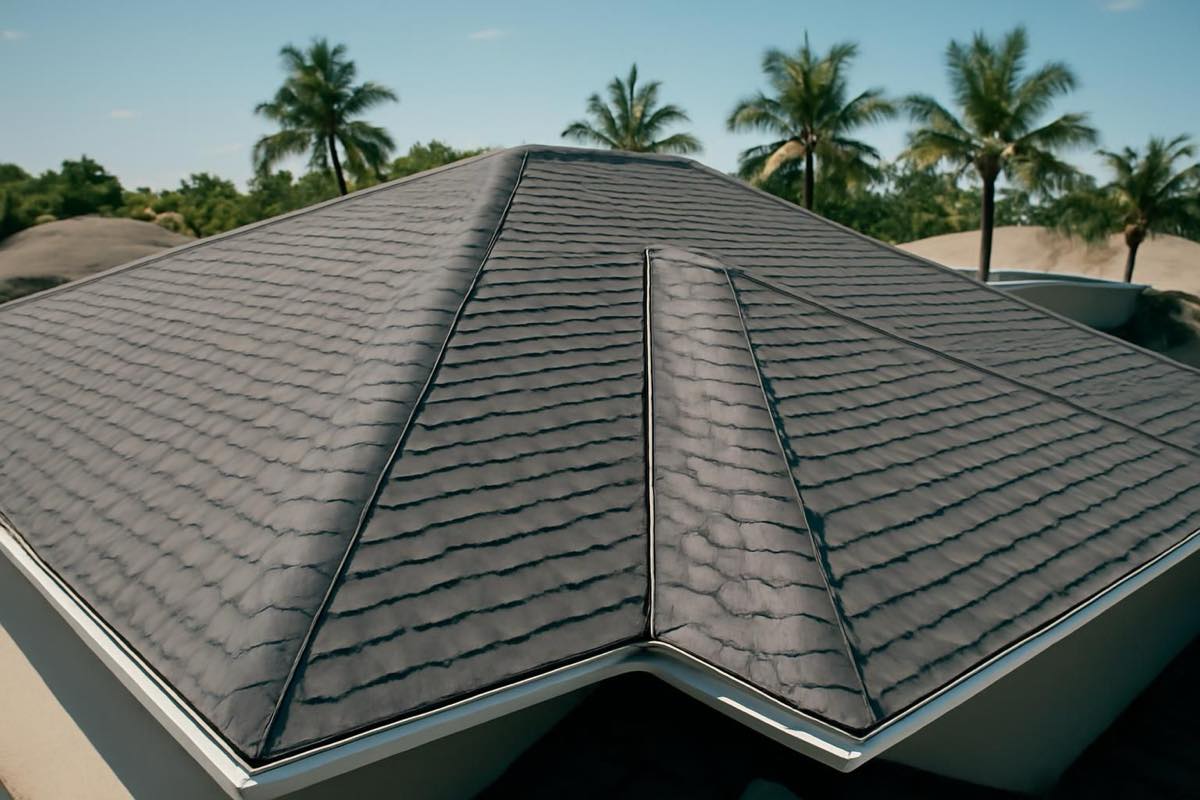
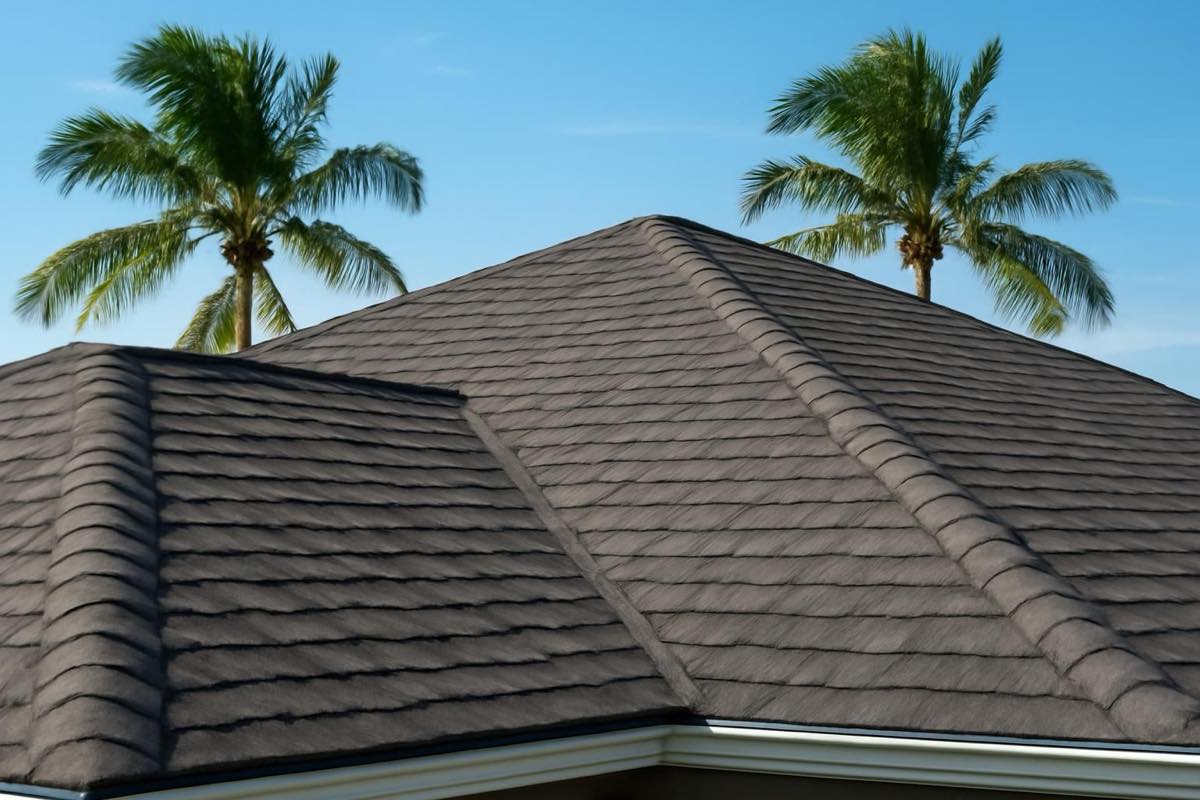
Carriers focus on total squares. Scope complexity, however, lives in the geometry. A 40 SQ simple gable is an easy shingle drop; a 40 SQ cut-up roof with multi-pitch facets, deep valleys, and broken rake lines is a logistical headache.
High-pitch and cut-up profiles demand specialized site logistics. Once a crew hits a 9/12 or 12/12 pitch, fall protection, multiple staging decks, and delicate material handling become mandatory. Staging must be planned well before the first shingle is stripped. Third-party reports from EagleView, Hover, or GAF QuickMeasure deliver objective geometric proof of these site conditions.
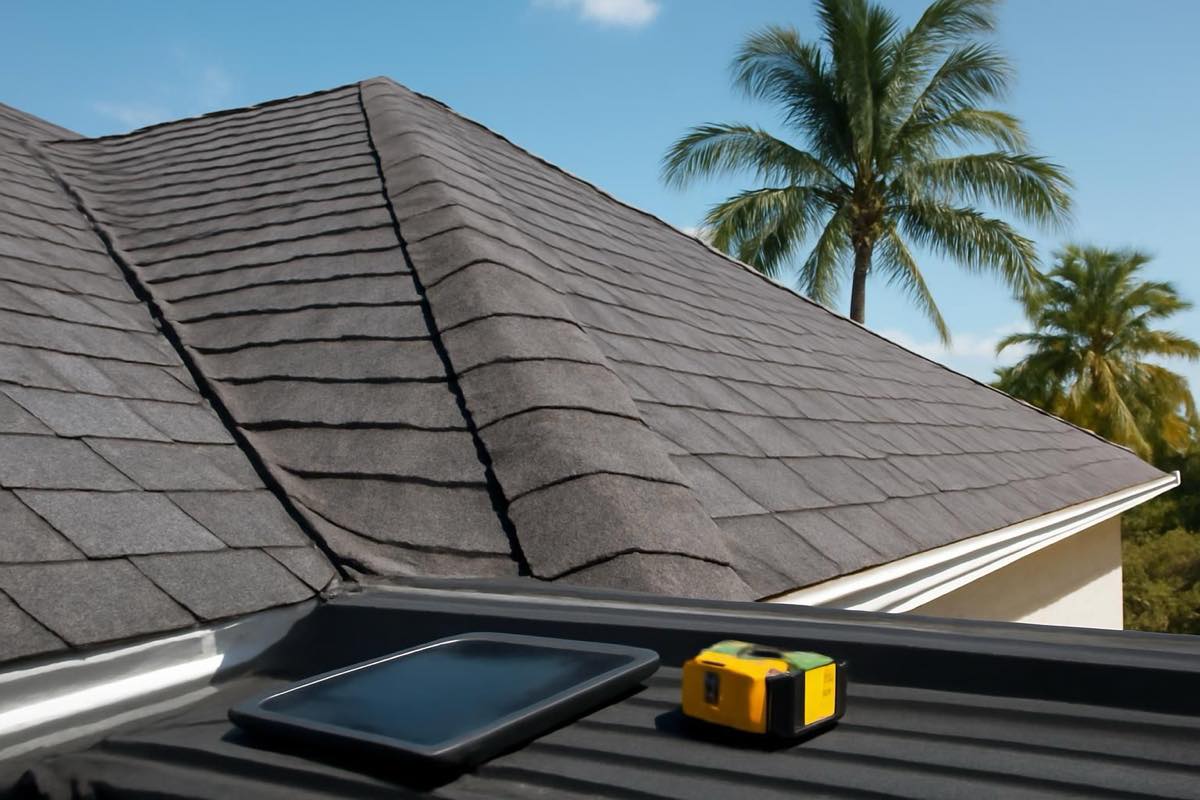
Take advantage of the elevation views in these measurement packets. High-resolution imagery highlights siding rakes, step flashing, counter-flashing, and integrated gutter aprons. These photos demonstrate that the roof cannot be replaced in a vacuum—a siding crew must detach wall claddings to access flashings, while a specialized carpenter or sheet metal contractor must handle custom tie-ins.
Pairing third-party roof diagrams with targeted Xactimate line items—such as steep charges, waste factors, and ridge cap linear footage—removes any carrier argument that the project is just an ordinary, single-trade shingle swap.
When should a roofing contractor push back on an O&P denial?
Knowing when to fight an O&P denial—and when to walk away—preserves your operational efficiency.
Pick your battles where the scope warrants it. If a job involves a reroof alongside siding detach-and-reset, custom sheet metal fabrication, gutter replacement, outbuilding repairs, or interior water damage, fight for your markup. When wind drives rain through decking and ruins a ceiling below, you are actively managing a roofing crew, a drywall finisher, and a painter. That coordination clearly justifies GC overhead.
Conversely, let it go on straightforward builds. A single-story ranch with single-layer architectural shingles and zero peripheral trade work does not warrant O&P. If your crew can back a dump trailer to the eaves, tear off, dry in, and shingle the deck before dinner without disturbing a gutter or piece of siding, pushing for 10 and 10 only stalls your ACV check.
When you do push back, keep your documentation professional and factual:
- Provide subcontractor estimates and actual invoices.
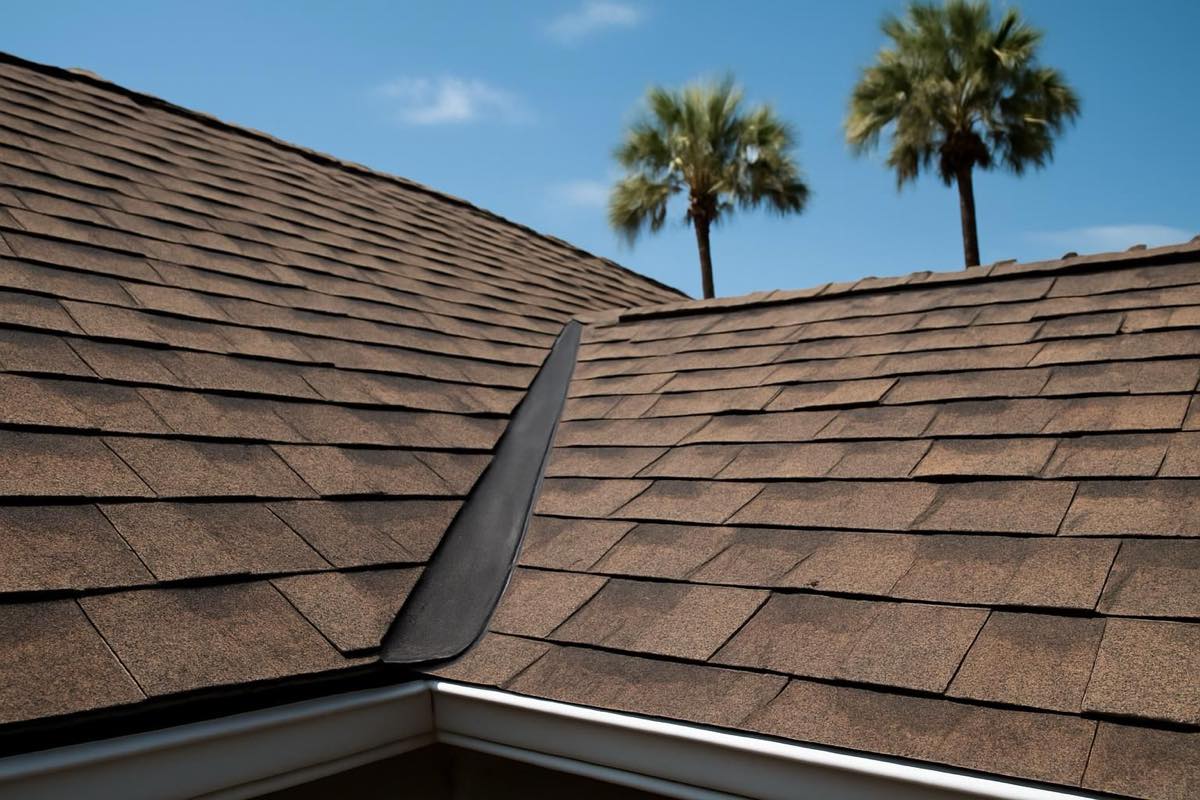
- Submit clear job photos showing required coordination, such as a custom chimney saddle built by a sheet metal fabricator or an opened ceiling in a master bedroom.
- Avoid quoting policy endorsements or debating legal interpretations.
Stay in your lane as a contractor. You cannot negotiate coverage, interpret insurance policy terms, or perform the duties of a public adjuster without a license. Focus strictly on constructability and building code mandates. For instance, point to active Florida Building Code requirements governing secondary water barriers, drip edge installation, and wall-flashing integrations that necessitate distinct trades. When building codes mandate sequential installations across multiple specialties, your request for general contractor supervision rests on constructability requirements rather than personal opinion.
Why does turnaround speed determine your success during storm season?
Speed closes deals during storm season. The contractor who hands a property owner a complete, carrier-ready scope first usually secures the build before insurance reserves tighten. If you take two weeks to deliver a detailed estimate, your customer will sign with a competitor who handed them a polished file in forty-eight hours.
Front-loading your scope also cuts down on cycle times. When your initial estimate accurately includes starter course, drip edge, ice and water barrier, and multi-trade O&P from day one, desk adjusters can approve the claim without a month of back-and-forth supplements. Every line item omitted upfront means fighting for an adjustment later, stalling depreciation release and strangling cash flow.
The problem is bandwidth. Most roofing contractors lack the in-house Xactimate seats or administrative hours to draft multi-trade scopes while supervising emergency crews in the field. Spending four hours at a laptop writing estimates makes no sense when you have ten active leaks waiting for tarps. In storm restoration, turnaround velocity drives profitability.
How Storm Xactimate handles this for you
Upload your job photos, roof specifications, and any carrier scopes or aerial reports from EagleView, Hover, or GAF QuickMeasure. If you do not have a measurement report, Storm Xactimate orders one for you as part of the service. Every line item is calibrated to your local price list, properly formatted for code items like drip edge and ice and water barrier, structured for O&P where qualified, and verified by a professional estimator.
You receive a carrier-ready package within 24 hours of placing a complete order. The delivery includes a branded estimate PDF, roof diagrams, and organized job-site photos, plus one free revision or supplement round if the adjuster responds within 30 days.
Start an estimate with Storm Xactimate.
What are common questions about roof claim overhead and profit?
How much does insurance pay for overhead and profit?
When approved, insurance standardly applies 10% for general contractor overhead and 10% for profit (commonly called "10 and 10"). This is calculated on the net cost of the repair scope or specific multi-trade sections requiring supervision.
What should you avoid saying to a roof insurance adjuster?
Never claim that O&P is mandatory on every roof claim by law, and never threaten litigation or accuse the carrier of bad faith if you are a contractor. Keep all communications strictly tied to constructability, scope of work, code requirements, and the multi-trade supervision the job requires.
Does a roofing contractor need three trades to get O&P approved?
The "three trade rule" is an internal carrier guideline, not a statutory law. If a roof requires complex staging, safety protocols, specialty metal fabrication, or gutter and siding detachment, you can often justify general contractor oversight even when strict trade counts fall short.
Can a property owner keep the overhead and profit payout?
O&P is paid based on the incurred or estimated cost of hiring a general contractor to oversee the rebuild. If an owner manages the project themselves or hires a single trade that does not incur supervisory overhead, carriers often withhold or recoup the O&P portion of the RCV upon final depreciation release.