In this article
- Why do roofing contractors outsource Xactimate writing during peak storm season?
- How does integrating measurement reports speed up the estimating workflow?
- How should you order and track an estimate directly from the job site?
- How do you resolve scope discrepancies between your estimate and the adjuster summary?
- How Storm Xactimate handles this for you
- Frequently Asked Questions about Insurance Roofing Estimates
- Should I give my roofer the insurance estimate?
- What is the 25% rule for roofing?
- How much should a 2000 sq ft roof cost to replace on an insurance claim?
- Is an estimate for an entire roof replacement considered too high by carriers?
An insurance roofing estimate service acts as an off-site estimating department. It turns field photos, aerial measurements, and job notes into carrier-grade Xactimate scopes for residential roofing claims. Instead of paying for dedicated software seats or pulling project managers off roofs to input line items after dark, contractors hand off the desk work. Field reps stay where they belong: on the ground, inspecting damage, and closing claims.
Speed matters. When hail or high winds hit a market, the contractor who presents clear, line-itemed documentation first usually secures the job. Having a complete scope ready in hours eliminates administrative bottlenecks and catches items that estimators routinely miss—like starter strips, drip edge, or ice and water shield. You get accurate, job-site-ready documentation so your business capitalizes on storm volume rather than drowning in backlogs. Source: Storm Xactimate.
Why do roofing contractors outsource Xactimate writing during peak storm season?
Manual data entry eats into field production. Spending three to four hours wrestling with Xactimate at night leaves project managers exhausted for the next day's inspections. Every hour spent behind a screen is an hour lost on a roof.
Scaling an in-house estimating department carries heavy overhead: monthly software seat fees, regional price list updates, and months spent training staff on line item coding. If an internal scope uses the wrong code string or material grade, carriers kick it back. Homeowners then sign with competitors who delivered clean, professional paperwork first.
Outsourcing also stops margin-draining field oversights. When estimators rush manual scopes, common items slip through the cracks:
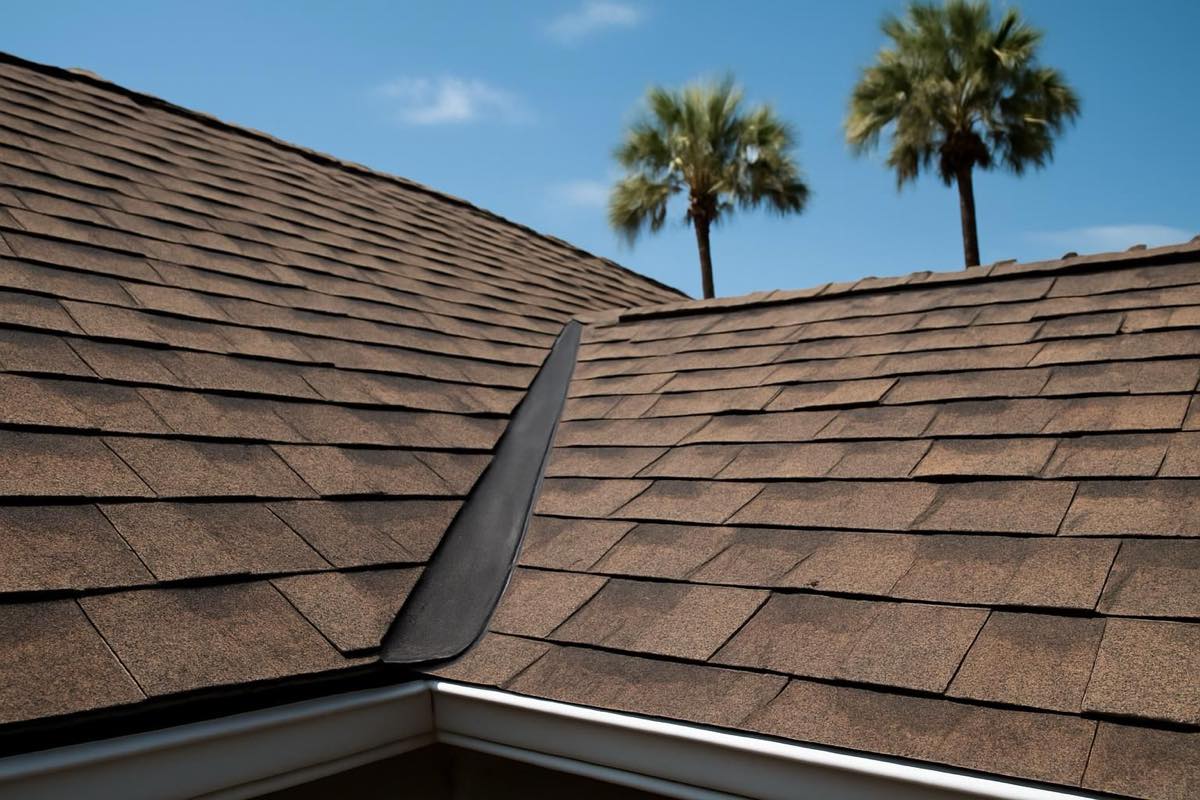
- Starter course and ridge cap
- Valley liners
- Code-mandated drip edge
Under Florida Building Code Chapter 9 requirements, these assemblies are mandatory. If an estimate leaves off the linear footage of drip edge or miscalculates shingle waste factors, your business absorbs those material costs out of pocket.
How does integrating measurement reports speed up the estimating workflow?
Ordering aerial reports separately creates an unnecessary bottleneck. Waiting days for an external report before an estimator even opens a claim stalls the job. Disjointed workflows force your team to download files from one portal just to upload them into another.
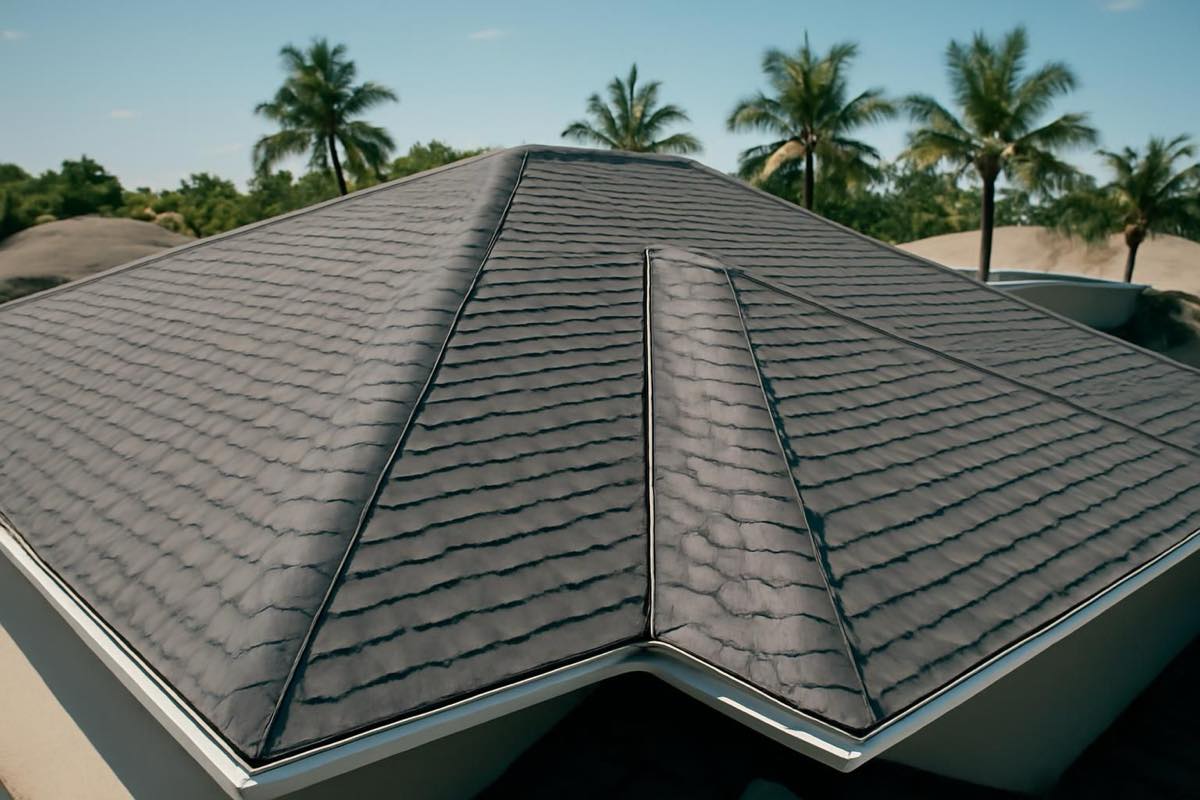
Direct integration eliminates manual geometry entry. Whether using EagleView, Hover, or GAF QuickMeasure, routing structural files straight to the estimator sets up the claim immediately. As noted in EagleView structural report geometry standards, 3D modeling removes the human error typical of hand-measuring complex roofs. Pitch, rakes, eaves, valleys, and hips map directly to square-foot and linear-foot line items, ensuring material orders reflect actual site needs.
If you do not already have an aerial report, an integrated service orders one for you—measurement is included. You submit photos once, avoid juggling multiple platform logins, and receive a complete scope without chasing third-party files.
How should you order and track an estimate directly from the job site?
To move fast, rely on a mobile-first process. Before leaving the driveway, field reps should photograph elevations, pitch gauge readings, shingle layers, and roof slopes, uploading everything directly from their phones. Capturing physical evidence while on-site prevents return trips.
Clear photo evidence prevents claims from stalling. If an adjuster cannot see multiple layers, valley conditions, or existing drip edge, they will not approve them. Incomplete files get flagged and returned to the contractor because an estimator can only bill for damage backed by photos and measurements.
Track active files through five clear production milestones:
- Received
- Measuring
- Building
- Review
- Delivered
Based on internal operational benchmarks for storm restoration project tracking at Storm Xactimate, real-time tracking keeps sales reps informed so they can set reliable expectations with property owners.
Once a project reaches the Delivered stage, the contractor receives:
- A carrier-ready estimate PDF with custom company branding
- Full roof diagrams
- An organized photo report
- An ESX file (available upon request for internal records)
How do you resolve scope discrepancies between your estimate and the adjuster summary?
Adjuster scopes frequently leave out critical line items like drip edge, valley lining, step flashing, and ridge vents. When an adjuster's initial scope falls short, compare it line by line against your field photos and applicable building codes.
Overhead and Profit (O&P) requires deliberate documentation. If a project involves multiple trades or complex coordination, document those trades with clear photographic evidence showing why specialized oversight is necessary to return the home to pre-loss condition.
Understanding the mechanics between Actual Cash Value (ACV) and Replacement Cost Value (RCV) is equally important. ACV reflects the depreciated payout, whereas RCV represents the true cost of complete restoration. Your supplemental package must cleanly bridge this gap, demonstrating why the carrier's initial ACV release falls short of code-compliant repairs.
Timing and proof drive the supplement loop. Submit photographic evidence and line-item comparisons within 30 days of the adjuster's initial scope, adhering to Florida Office of Insurance Regulation settlement guidelines. Storm Xactimate provides the detailed Xactimate documentation needed to justify your scope directly to the carrier. Note that Storm Xactimate is not a public adjuster; the service does not negotiate policy terms, interpret coverage, or pull building permits. You take the itemized scope and present it directly to the carrier.
How Storm Xactimate handles this for you
Upload job specs, field photos, and any existing adjuster scopes directly from your phone. If you lack an aerial report, Storm Xactimate orders it—measurement is included. An experienced estimator drafts the scope using local price lists, audits every line item, and returns a branded, professional PDF within 24 hours of receiving complete documentation.
If the adjuster omits code-mandated materials, submit their scope within 30 days of delivery for one included revision or supplement. You track each file from Received to Delivered without buying software seats or memorizing code strings. Start an estimate with Storm Xactimate.
Frequently Asked Questions about Insurance Roofing Estimates
Should I give my roofer the insurance estimate?
Yes. Sharing the adjuster's summary sheet helps the roofing contractor compare line items, confirm that necessary materials like starter and ice and water barrier were included, and catch omissions before tear-off starts. A transparent look at the carrier's initial scope allows the contractor to build an accurate supplement using exact measurement data, ensuring no necessary code upgrades or structural materials are left off the final work order.
What is the 25% rule for roofing?
Under section 706.1.1 of the Florida Existing Building Code, if more than 25 percent of a roof section is repaired or replaced within a 12-month period, the entire roof section must generally be brought up to current code standards, subject to statutory exceptions enacted by the Florida Legislature. When storm damage exceeds this threshold, contractors must thoroughly document the total area affected to ensure the carrier accounts for a full roof replacement rather than a simple patch job.
How much should a 2000 sq ft roof cost to replace on an insurance claim?
A 2,000 square foot home often equates to roughly 22 to 28 SQ of roof area depending on pitch, overhangs, and waste factors. Total cost depends on local labor rates, shingle tiers, and local building code mandates rather than a flat figure. Material availability, required underlayment upgrades, and the steepness of the roof all dictate the final line items. Contractors verify current regional numbers via the pricing section or local price lists to ensure accuracy for that specific ZIP code.
Is an estimate for an entire roof replacement considered too high by carriers?
Carriers do not evaluate estimates based on gut feelings; they evaluate itemized line items. If your square footage, waste percentage, steep charges, and code items like drip edge are supported by aerial measurements and photos, the scope reflects the true cost to restore the property to its pre-loss condition. When every LF of flashing and every SQ of shingles is documented with field evidence, the estimate strictly represents the factual material and labor requirements necessary to complete the job properly.