In this article
Buying 15% waste out of pocket because an adjuster wrote 10% on a hip roof with valleys will bleed your margins dry on every square.
In Xactimate, you enter shingle waste either directly into the roof sketch properties (which calculates cut-off waste across the geometry) or as an add-on to the quantity field in roofing line items like RFG 300. This percentage accounts for cuts at valleys, rakes, hips, and flashings, plus starter and ridge courses if you do not itemize them separately. Getting that percentage approved by a carrier comes down to matching your measurement report to standard trade tables rather than tossing out flat estimates. Source: Storm Xactimate.
What is the waste factor for roof shingles?
Waste factor is the percentage of roofing material lost to cuts, overlaps, and site handling during installation. It is not profit padding. It is scrap heading straight into the dump trailer, and no crew can install an architectural roof using only net surface area.
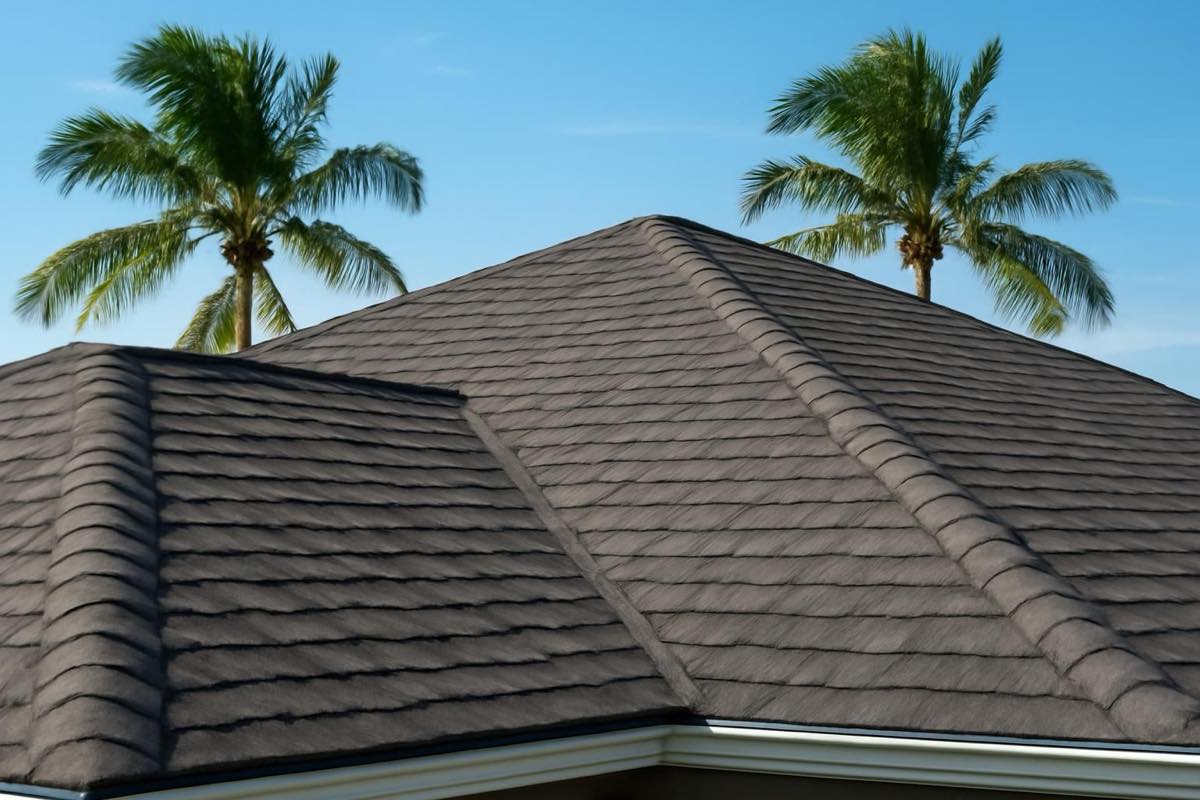
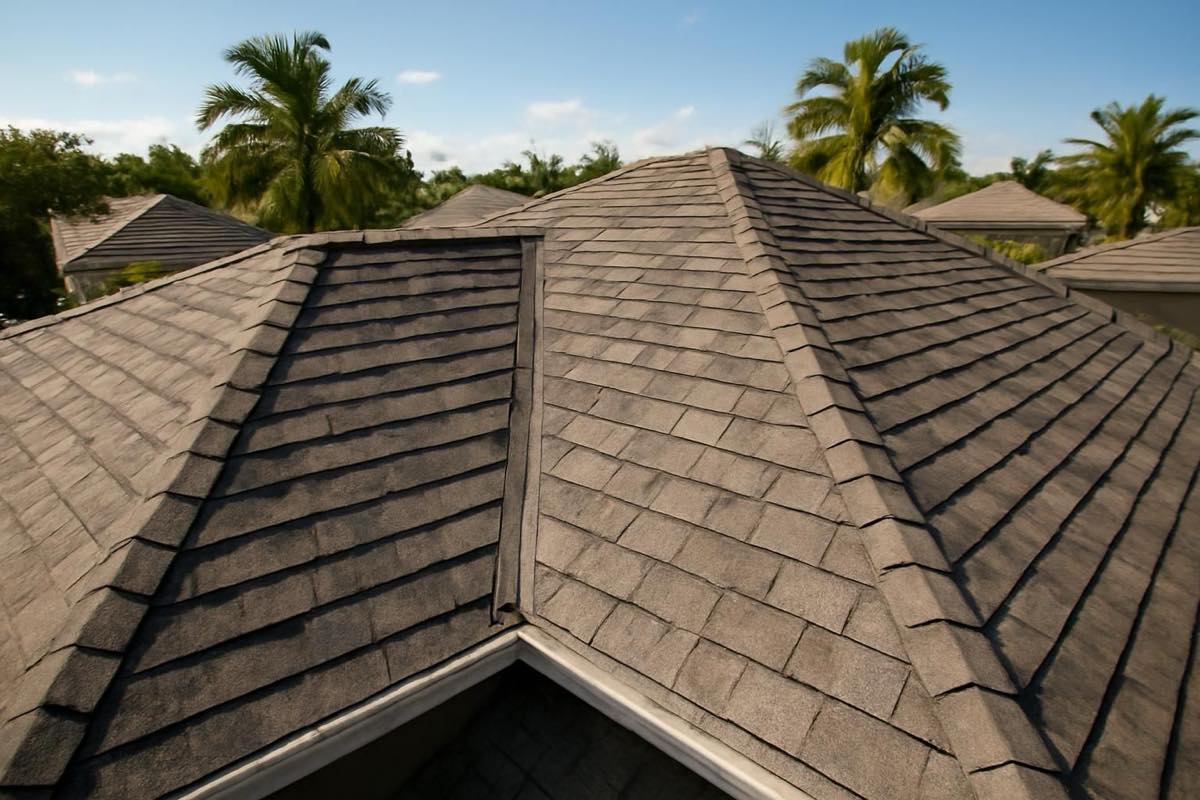
Base percentages scale with geometric complexity: simple gables with long runs and minimal penetrations stay around 10%, standard hip designs with diagonal hip cuts run 12% to 15%, and complex footprints with dormers, turrets, and dead valleys routinely require 15% to 20% or more.
Material disappears quickly across common details:
- Starter and ridge: Consumes linear footage across all eaves, rakes, and ridges.
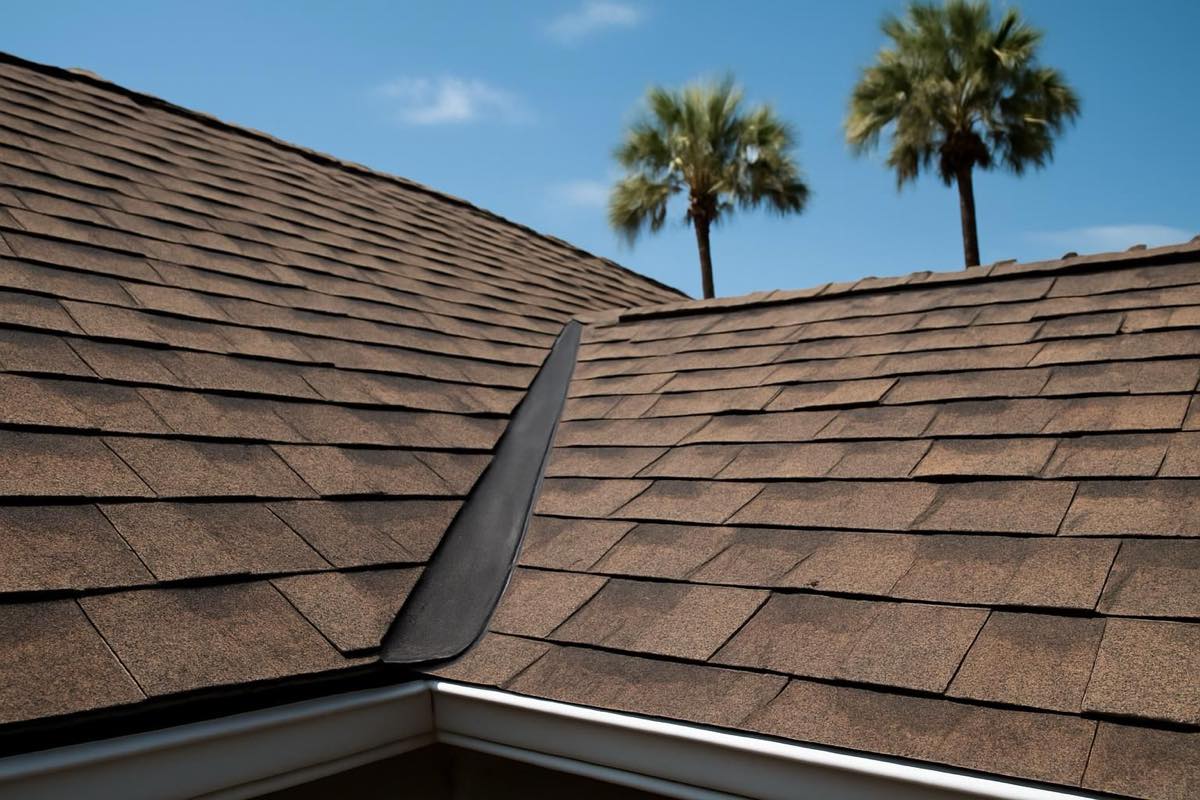
- Valleys: Demands diagonal cuts, overlaps, and clippings that leave short, unusable ends.
- Rakes and hips: Requires continuous angle cuts along the entire rake and hip line.
- Penetrations: Forces installers to slice around skylights, vents, and chimneys.
Carriers frequently default to a flat 10% or 12%. On a cut-up residential roof in Florida or another active storm market, that generic default under-orders material and leaves you footing the bill for the shortage.
| Roof Pitch & Design | Standard Material Waste | Adjuster Default Expectations | Impact of Deficit |
|---|---|---|---|
| Simple Gable (Under 7/12) | 10% | 10% | Minimal to none |
| Standard Hip Roof | 12% - 15% | 10% - 12% | Short 1-3 SQ on average |
| Cut-up / Complex (Dormers, Valleys) | 15% - 20%+ | 12% | High risk of material shortage during build |
| Steep Slope (7/12 and higher) | Adds 2% - 3% | 0% - 10% | Excess scrap and slippage damage eaten by contractor |
How to calculate waste factor?
Calculating real geometric waste requires pulling exact data from a measurement report (such as EagleView, Hover, or GAF QuickMeasure) instead of eyeballing the slopes from the ground.
Step 1: Determine total roof surface area in squares (SQ).
Pull the net surface area from your measurement report. If the net area is 3,000 square feet, your starting baseline is 30 SQ before calculating a single cut.
Step 2: Quantify linear feet (LF) of valleys, hips, rakes, and starter edges.
Record the exact linear footage for every cut edge. The longer your valleys and hips, the more full shingles your crew must slice on an angle.
Step 3: Run the trade formula.
Multiply your valley footage (LF × 1-foot width) and hip cuts into square footage before calculating the net percentage. Add the cut-loss square footage back into the net area to find the required gross material. The spread between gross and net gives you your actual waste percentage.
Roof pitch changes this math. Slopes at 7/12 and higher make foot placement difficult, and handling heavy laminated bundles on steep decks damages shingles before they can be nailed down. Manufacturer guidelines back up these allowances: GAF's shingle installation manuals state that complex layouts and steep slopes require higher scrap allowances to maintain warranty standards.
How to apply waste in Xactimate?
Xactimate gives you two ways to apply waste. You can set the percentage directly within the Roof Sketch properties, where the program automatically calculates cut-offs against the ridges, valleys, and rakes you draw. Alternatively, you can use a manual override in the Line Item Details window: when adding items like RFG 300 (Laminated - high grade) or RFG 240 (3-tab), open the quantity calculator and enter the exact percentage derived from your measurement report.
Watch out for double-dipping. If you bill starter strips (RFG STRTR) and ridge caps (RFG RIDGE) as separate line items, you cannot leave the primary waste percentage at 15% or 18% if that figure already accounted for starter and ridge bundles. Drop the field waste percentage down so it covers only cut scrap. Blurring these lines is the quickest way to trigger carrier pushback and stall your estimate.
Regional pricing demands equal precision. Align your waste calculations with the specific material and labor databases tied to the property's ZIP code. At Storm Xactimate, estimators anchor every file to local price lists so the scope matches actual market conditions.
Keep your file clear with clean diagrams and F9 scope notes. Spell out the difference between net area and gross squares, and specify which line items cover the field shingles versus accessories.
What is the 25% rule in roofing?
Material waste and code repair thresholds are entirely different concepts, though adjusters and contractors frequently conflate them. Waste dictates how many extra bundles you order to cover cuts on a hip roof; the 25% rule dictates whether localized storm damage triggers a mandatory, full-slope replacement under the law.
The 25% rule is a strict building code mandate. Under Florida Building Code Existing Building Section 706.1.1, if more than 25% of an individual roof section or system is repaired, replaced, or recovered within a 12-month period, the entire section must be brought up to current code.
In active 2026 storm markets, crossing that 25% line rewrites the scope. Once wind damage clears the threshold on a given slope, you are no longer submitting a repair patch. You are billing a full replacement scope that includes drip edge, valley ice and water shield, and all associated code upgrades for that plane.
How do you justify higher waste factor to a desk adjuster?
Sending an angry email when a desk adjuster slashes your 15% waste to 10% on a complex hip roof will not work. Adjusters respond to documentation. Measurement cut sheets paired with manufacturer specs will settle the issue far faster than an argument.
Photograph the job site thoroughly before sending your scope. Capture pitch breaks, dormers, dead valleys, and step flashing along side walls. Clear visual proof makes it hard to dispute the structural complexity driving your numbers.
Write clear, carrier-ready scope remarks inside Xactimate. Break down the difference between the net area and the gross squares claimed under RFG 300, and cite the linear footage of the hips and valleys from your measurement report. Stick strictly to the math and geometry—avoid policy interpretations or legal claims about coverage.
If the adjuster pushes back, handle it through a documented supplement before ordering materials. Provide the line-by-line breakdown, link the manufacturer installation requirements, and let the measurement data justify the order.
How Storm Xactimate handles this for you
Upload your job details, photos, and any roof measurement report you have—or have Storm Xactimate order the report directly. A professional estimator builds a carrier-ready estimate on your local price list, calculating waste directly from the structure's geometry to keep you from running short on material or getting rejected by adjusters.
You get a finished estimate PDF complete with roof diagrams, photos, and your company branding within 24 hours of a completed order. If the desk adjuster pushes back, submit their scope within 30 days for an included revision round. Start an estimate with Storm Xactimate.
Frequently asked questions about Xactimate shingle waste
Does Xactimate include starter strip and ridge cap in the default waste percentage?
If you enter a flat default waste percentage (like 15%) without separate line items for starter (RFG STRTR) and ridge cap (RFG RIDGE), the carrier will assume that 15% covers all accessories and cut-offs. When you itemize starter and ridge separately—the preferred approach—the remaining waste percentage covers only field cuts.
What is the average shingle waste factor accepted by insurance carriers?
Carriers routinely accept 10% on simple gable roofs and 12% to 15% on standard hip roofs. Anything over 15% generally requires a measurement report demonstrating complex geometry, multiple dormers, or high valley footage.
Can an adjuster force a flat 10% waste on a hip roof?
Adjusters often attempt to apply 10% waste to hip roofs to lower the RCV. You can counter this by submitting the measurement report's linear footage of hips and valleys, showing that a 10% allowance leaves the project short on material.
How do steep charges interact with waste factors in Xactimate?
Steep charges (RFG STEEP) reimburse the extra labor and safety setups needed on pitches of 7/12 or greater. While the line item itself does not change material quantities, steeper pitches cause more scrap and handling damage, which supports justifying a higher waste percentage in your F9 notes.
Where do I link to check estimate pricing?
See the pricing section.