In this article
- What is the difference between a roof hip and a ridge on an insurance scope?
- Why does Xactimate separate the starter course from hip and ridge cap line items?
- How do you link aerial measurement reports directly to RFG hip and ridge line items?
- How many linear feet does a bundle of hip and ridge cover in field conditions?
- How should a roofing contractor document ridge cap damage for supplements before tear-off?
- What should you do when an adjuster's ridge measurement is short of actual site conditions?
- How Storm Xactimate handles this for you
- Frequently Asked Questions about Hip and Ridge in Xactimate
In Xactimate, hip and ridge capping is billed by the linear foot (LF) under dedicated RFG line items, not by roof square (SQ) surface area. Modern architectural shingle warranties prohibit cutting field shingles into ridge caps, making the correct cap line item essential for capturing real labor and material costs. Keep it separate from your starter course.
A defensible scope pulls exact linear measurements from aerial reports like EagleView or Hover, backs up storm blow-offs or hail strikes with pre-tear-off pitch-gauge photos, and aligns the adjuster’s codes with the roof's actual dimensions. Source: Storm Xactimate
What is the difference between a roof hip and a ridge on an insurance scope?
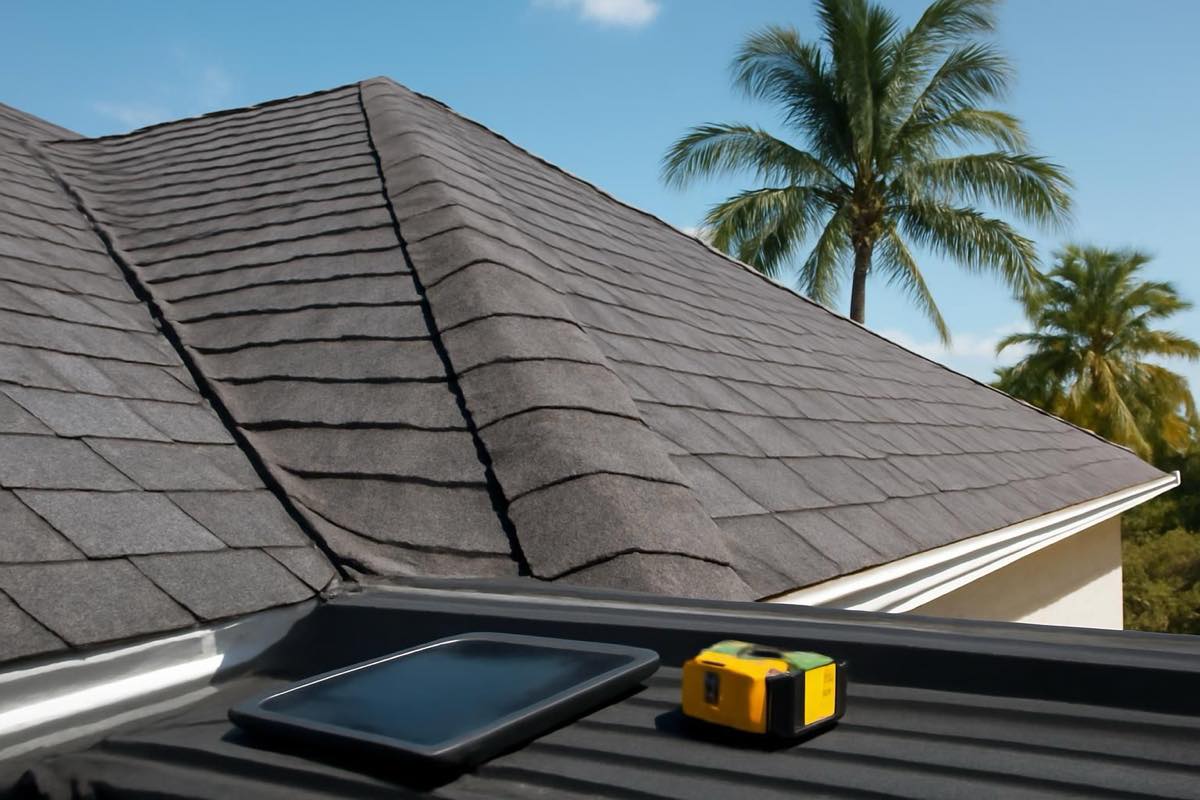
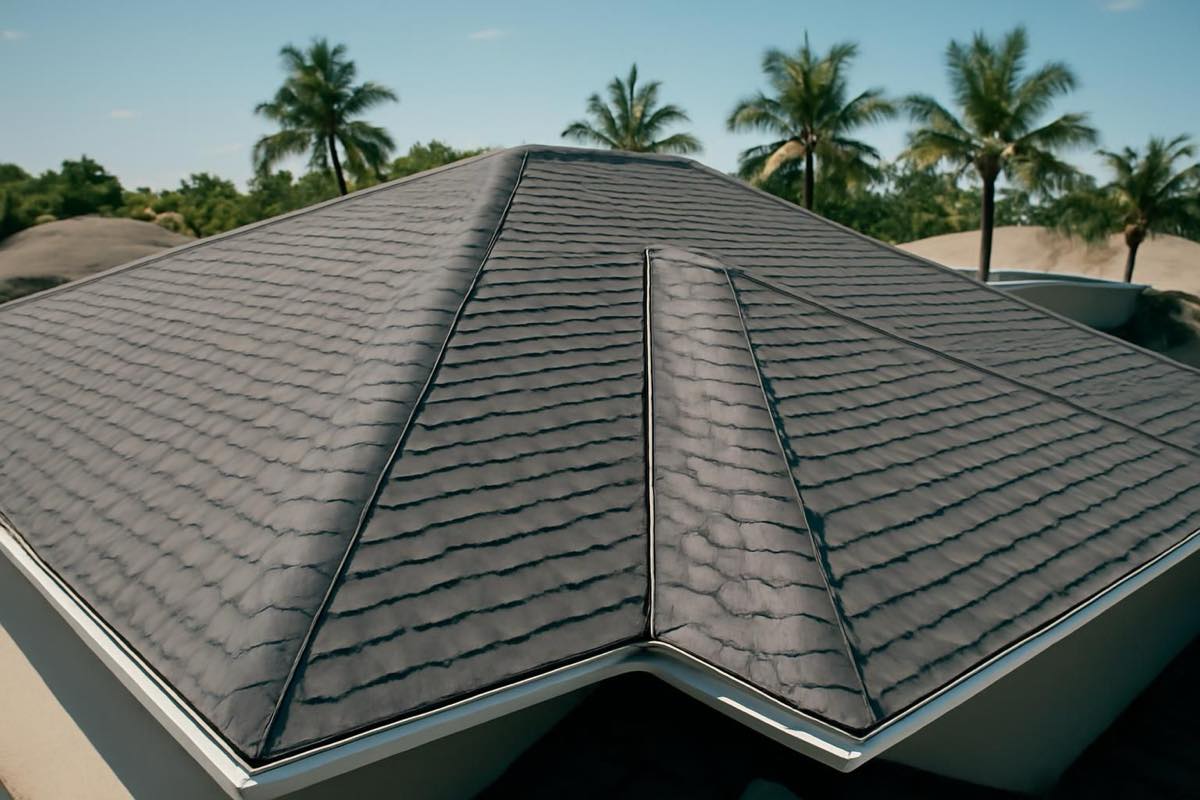
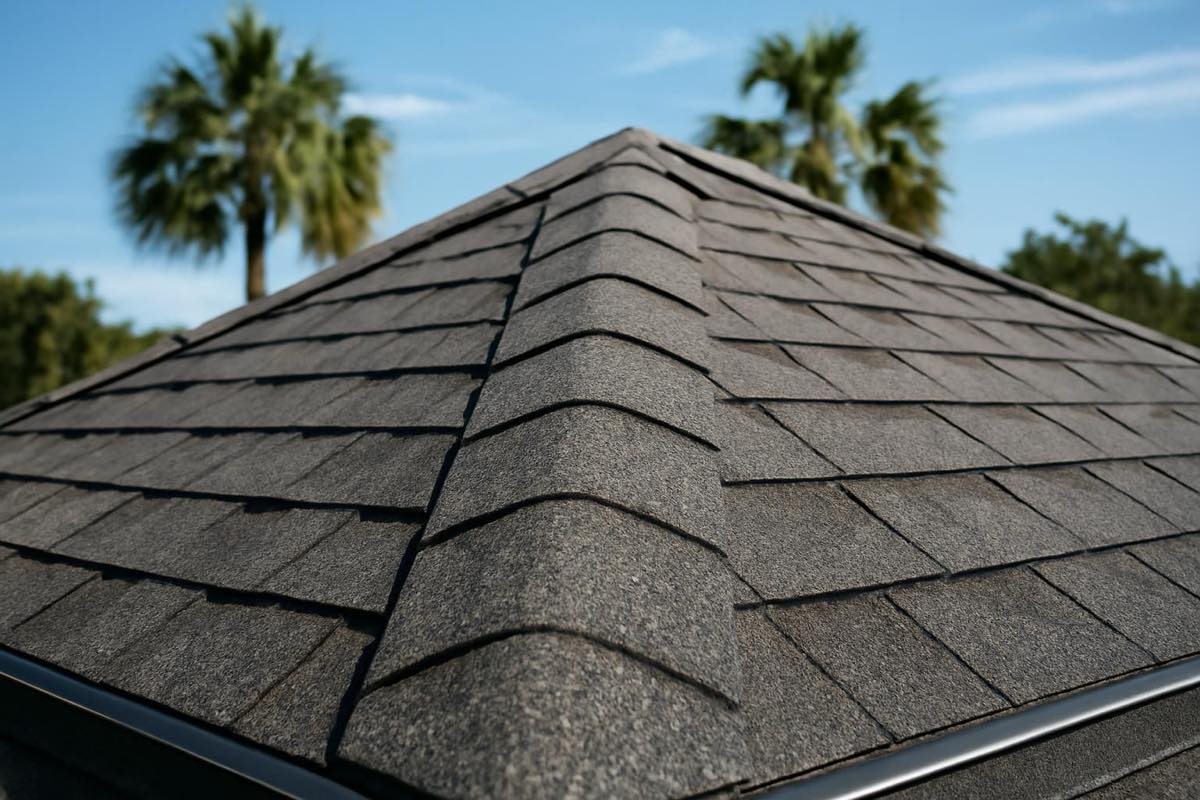
A ridge forms the horizontal peak where two roof planes meet. A hip is the inclined angle formed by two sloping planes running diagonally from ridge to eaves. Both sit at vulnerable transitions, requiring linear cap shingles to lock out wind-driven rain and prevent uplift.
Per the National Roofing Contractors Association (NRCA) Roofing Manual, hips and ridges require specific application techniques and overlapping layers field shingles can't provide. In Xactimate, both are measured in LF and often share line items like RFG RIDGC or RFG RIDGHP.
Contractors often make the mistake of folding hip LF into general field waste. Don't do this. Hips eat material quickly because of miter cuts at eaves and ridge tie-ins. When you bury linear hip footage in field waste, you underestimate actual bundle counts, run out of caps mid-job, and leave legitimate line-item revenue on the table.
Why does Xactimate separate the starter course from hip and ridge cap line items?
Starter course and ridge cap perform completely different jobs, and Xactimate prices them as such. Starter strips (RFG ARLS or RFG STRIP) seal the first course of shingles along the eaves and rakes to stop wind uplift. Ridge cap (RFG RIDGC, RFG RIDG, or RFG RIDGHP) seals the peaks and hips.
Adjusters routinely push back, claiming starter and cap are baked into the field shingle waste percentage (RFG ARVM, RFG 240, or RFG 300). They aren't.
The item database definitions from Verisk Xactimate are explicit: field waste covers cuts at valleys, rakes, and penetrations to fit shingles to the deck footprint. It does not cover the dedicated starter strip beneath that first course, nor does it include pre-cut hip and ridge bundles for laminated architectural roofs. Dropping these line items forces you to eat material costs or chase an uphill supplement after the roof is already on. Keep linear items separated from square-foot line items so your estimate stays compliant with Verisk's own guidelines.
How do you link aerial measurement reports directly to RFG hip and ridge line items?
Pull your length breakdowns straight from the summary pages of an EagleView, Hover, or GAF QuickMeasure report:
- Input the exact sum of ridges and hips: Check the Length Diagram page for the dedicated Ridge LF and Hip LF totals. Use the formula
(R + H)in the Xactimate quantity field for RFG RIDGC. Tying your calculation directly to the structural diagram leaves adjusters no room for arbitrary cuts. - Match the material profile: If the roof has high-profile cap shingles, specify RFG RIDGHP rather than standard RFG RIDGC. Cutting 3-tab shingles for caps on an architectural roof voids most manufacturer warranties.
- Apply steep and high modifiers: Hips and ridges on facets with a pitch of 7/12 or steeper demand extra safety gear and labor. Because Xactimate does not always attach steep charges to linear items automatically, check your report’s pitch breakdown and manually add high-pitch or two-story handling items where applicable.
How many linear feet does a bundle of hip and ridge cover in field conditions?
Most factory-packaged hip and ridge bundles cover between 25 and 33 linear feet, depending heavily on exposure. A standard 5-inch exposure yields considerably more length than the heavy overlaps required by decorative, high-profile caps.
Don't try cutting field shingles into caps to stretch an order. Product specs from manufacturers like GAF TimberTex and Owens Corning ProEdge explicitly require dedicated capping units on architectural roofs. Laminated shingles don't fold cleanly; butchering them on-site destroys LF yields, voids warranties, and sets up premature roof leaks.
Factor in waste on complex roof designs. Roofs cut up by dormers, multiple hips, and intersecting peaks force crews to make numerous miter cuts, eating through bundles much faster than straight, uninterrupted runs. Compare your supply order against the adjuster's approved footage. If the carrier paid for 120 LF, but geometry demands six bundles of a 25 LF product (150 LF) to cover miter waste, use that supplier invoice as the basis for a supplement.
How should a roofing contractor document ridge cap damage for supplements before tear-off?
Before tear-off begins, capture clear, physical proof of cap damage. Satellite overheads won't convince an adjuster; ground and deck photos will.
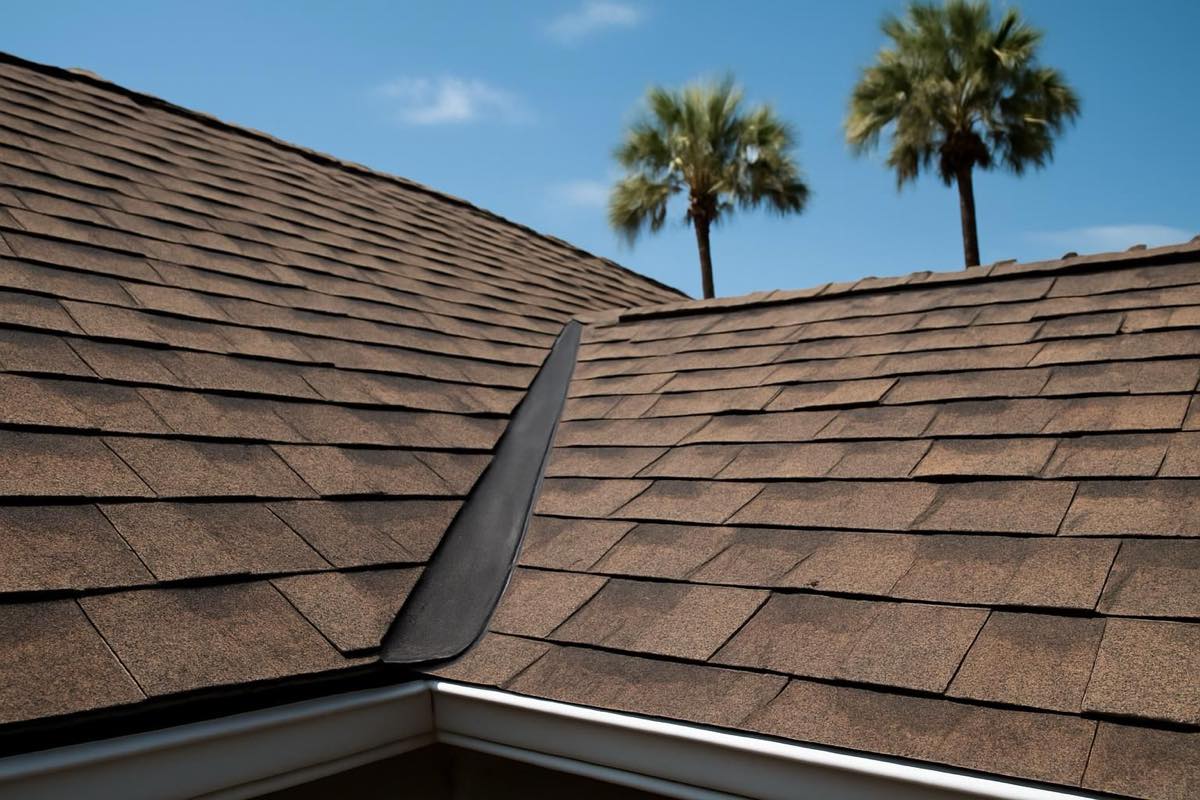
- Macro and scale shots: Photograph the cap at deck level, framing each shot with a pitch gauge or tape measure. Look for torn asphalt, missing tabs, and distinct hail bruises directly on the capping.
- Fastener and joint failure: High winds cause cap chatter, pulling nails through the shingle mat. Close-up photos of lifted, rusted, or exposed fasteners prove active mechanical failure rather than deferred maintenance.
- Context and causation: Adjusters look for proof that damage stems from a specific storm date. Frame the damaged cap together with neighboring blown-off field shingles. Showing damage aligned on the windward slope ties the cap failure directly to the storm event.
- Profile identification: When billing for high-profile caps (RFG RIDGHP), photograph the edge thickness from the rake or ground before tear-off sends the evidence to the dump. Carriers will deny the upgrade without clear visual proof of multi-layered, pre-formed materials.
What should you do when an adjuster's ridge measurement is short of actual site conditions?
Adjusters rushing through catastrophic storm claims often miss dormer ridges, skip hip lines on sketches, or round numbers down. When a carrier's ridge numbers don't match reality, handle the dispute with numbers, not arguments.
Audit the adjuster's scope against your aerial diagram or field tape measurements. Once you spot the gap, write a clear, factual supplement request citing exact page numbers. For instance: "Carrier scope includes 85 LF of ridge; EagleView Length Diagram (page 3) confirms 142 LF of combined hips and ridges."
Keep the note professional. Anchor the request in objective linear footage, pitch diagrams, manufacturer specs, and local mandates—such as the Florida Building Code provisions on residential roof replacements and manufacturer adherence. Clear documentation makes it easy for an inside desk adjuster to approve the change.
How Storm Xactimate handles this for you
Writing detailed scopes doesn't have to slow down your sales pipeline. With Storm Xactimate, you upload the job photos and measurements—or have them pull the aerial report for you—and an experienced estimator drafts the scope using local price lists. Every hip, ridge, and starter run is calculated precisely alongside required code items, including drip edge, valley ice and water barrier, and overhead and profit (O&P) when warranted.
Within 24 hours of receiving your measurement and required photos, Storm Xactimate delivers a carrier-ready PDF featuring your company logo, organized photo sheets, and structural diagrams (ESX files available on request). Initially focusing on Florida residential laminated asphalt roofs, the service tracks every file through five clear stages: Received, Measuring, Building, Review, and Delivered. If an adjuster tries to undercut your quantities, your order includes one revision or supplement round within 30 days. Start an estimate with Storm Xactimate.
Frequently Asked Questions about Hip and Ridge in Xactimate
What is the exact Xactimate line item for standard ridge cap? The standard line item for laminated shingle ridge cap is RFG RIDGC (Cut shingle ridge cap) or RFG RIDG (Ridge cap - standard shingle), billed per linear foot.
Can you bill both ridge cap and starter strip on the same estimate? Yes. Ridge cap (RFG RIDGC) and starter strip (RFG ARLS) represent separate material components and distinct labor steps. Neither is covered under field shingle waste.
When should you use high-profile ridge cap (RFG RIDGHP) in Xactimate? Use RFG RIDGHP when the existing roof features pre-formed, multi-layered high-profile ridge products, supported by clear ground-level and raking photo documentation.
Does ridge cap include steep charges automatically in Xactimate? No. Xactimate does not automatically attach steep or high charges to ridge line items across all price lists. You must apply the appropriate steep pitch modifiers manually or ensure sketch pitch tags properly reflect each roof plane.