In this article
- What does a standard Xactimate starter course teach you?
- Why do generic Xactimate courses fail during storm season?
- Which roofing line items do beginner Xactimate classes leave out?
- How do you handle missing measurements and adjuster pushback?
- How long does Xactimate training take before you can write a clean roof scope?
- How Storm Xactimate handles this for you
- What are the most common questions about learning Xactimate?
- How much does Xactimate training cost?
- Where can I learn Xactimate for free?
- What is the best way to learn Xactimate for roofing?
- How long does Xactimate training take?
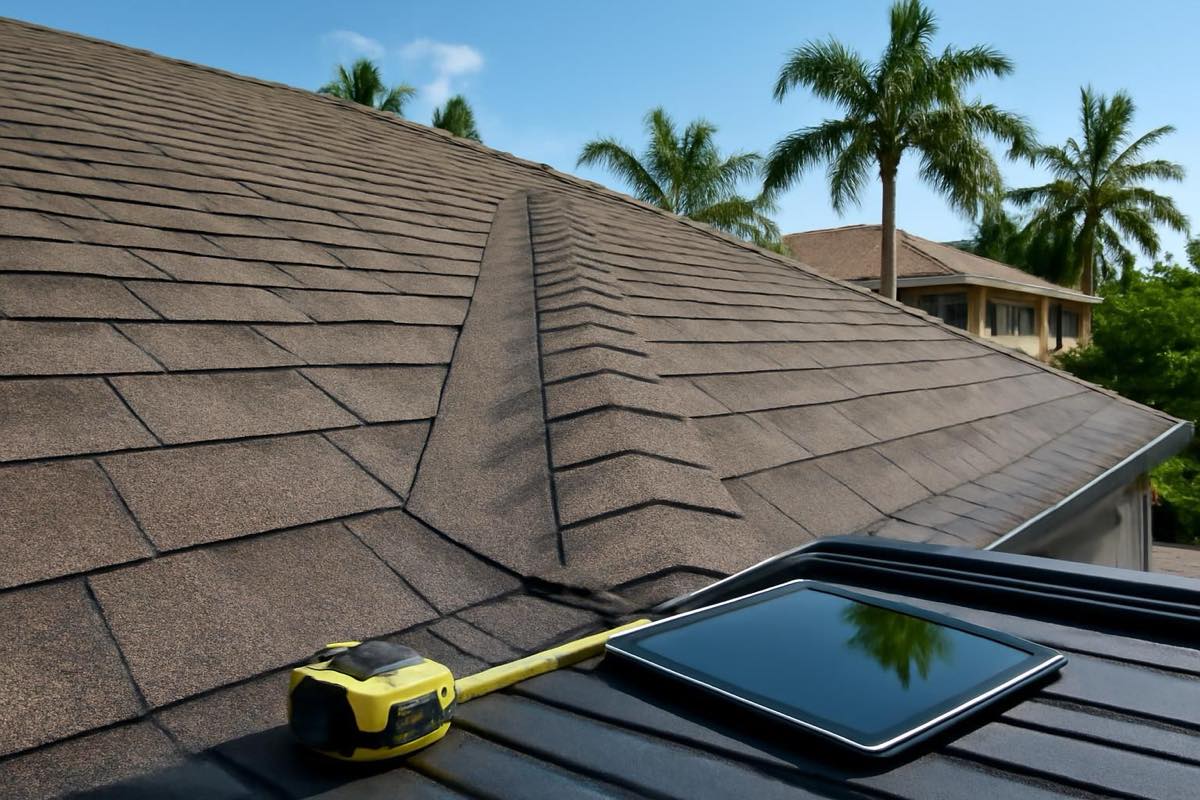
A standard Xactimate starter course teaches user interfaces, sketch tools, and general estimating theory. For a residential roofing contractor handling storm damage claims, that broad overview leaves costly blind spots. You need to know how to calculate shingle waste on steep pitches, bill perimeter starter strip along eaves and rakes, measure drip edge in linear feet (LF), and document code-mandated ice and water barrier in valleys without triggering adjuster rejections.
Learning this software through trial and error takes weeks. When storm season hits, you do not have weeks. Mastering the platform requires a narrow focus: roofing line items, third-party aerial measurement reports, and carrier-ready documentation that accounts for actual field labor along with overhead and profit (O&P). Source: Storm Xactimate
What does a standard Xactimate starter course teach you?
Official Verisk Xactimate Level 1 and Level 2 training introduces you to the software's overarching architecture. Because Xactimate serves multiple restoration sectors—including fire, water mitigation, and interior remodeling—generic starter courses dedicate hours to interior framing, drywall, painting, and basic Sketch room design.
Spending two days learning to model an interior staircase yields zero return for a roofer.
You need immediate competency in roof-specific line item codes (RFG). You must know how to pull the correct regional price list and enter quantities accurately in squares (SQ) and linear feet (LF). While standard courses define terms like Replacement Cost Value (RCV) and Actual Cash Value (ACV), they rarely explain how to format an estimate so an insurer releases recoverable depreciation without a dispute. You leave class knowing which buttons to click, but you still cannot write a supplement-resistant roofing claim.
Why do generic Xactimate courses fail during storm season?
Classroom theory breaks down quickly after a hail or hurricane event. In storm restoration, speed lands contracts. The contractor who hands a homeowner a thorough, professional scope signs the job; competitors still fumbling with the Sketch tab lose out.
Standard classes assume you have hours to draft complex roof facets by hand. Real-world storm work relies on imported aerial data, quick turnarounds, and precise line items. Taking on seat licenses and trying to learn the program on live claims carries high risks. Missed line items eat directly into your margins, while inaccurate files cause supplement delays that choke your cash flow for months. In the 2026 storm season, you cannot afford to use paying jobs as practice files.
Which roofing line items do beginner Xactimate classes leave out?
Beginner courses focus primarily on field shingle removal and replacement (RFG ARLST). That narrow scope overlooks critical perimeter, flashing, and accessory components:
- Starter Course: New estimators often assume starter strip shingles are bundled into field shingle codes. They are not. Starter must be calculated along eaves and rakes in linear feet (LF). Leaving it off forces you to absorb the material and labor costs out of pocket.
- Drip Edge: Building codes routinely mandate drip edge along eaves and rakes. Under the Florida Building Code, for example, strict fastening schedules and lap rules apply. Estimate this in LF, factoring in overlap waste.
- Ice and Water Barrier: Valleys and low-slope transitions require self-adhering polymer-modified bitumen underlayment, entered in square feet (SF) or SQ. General training rarely covers the specific underlayment codes required by municipal building departments.
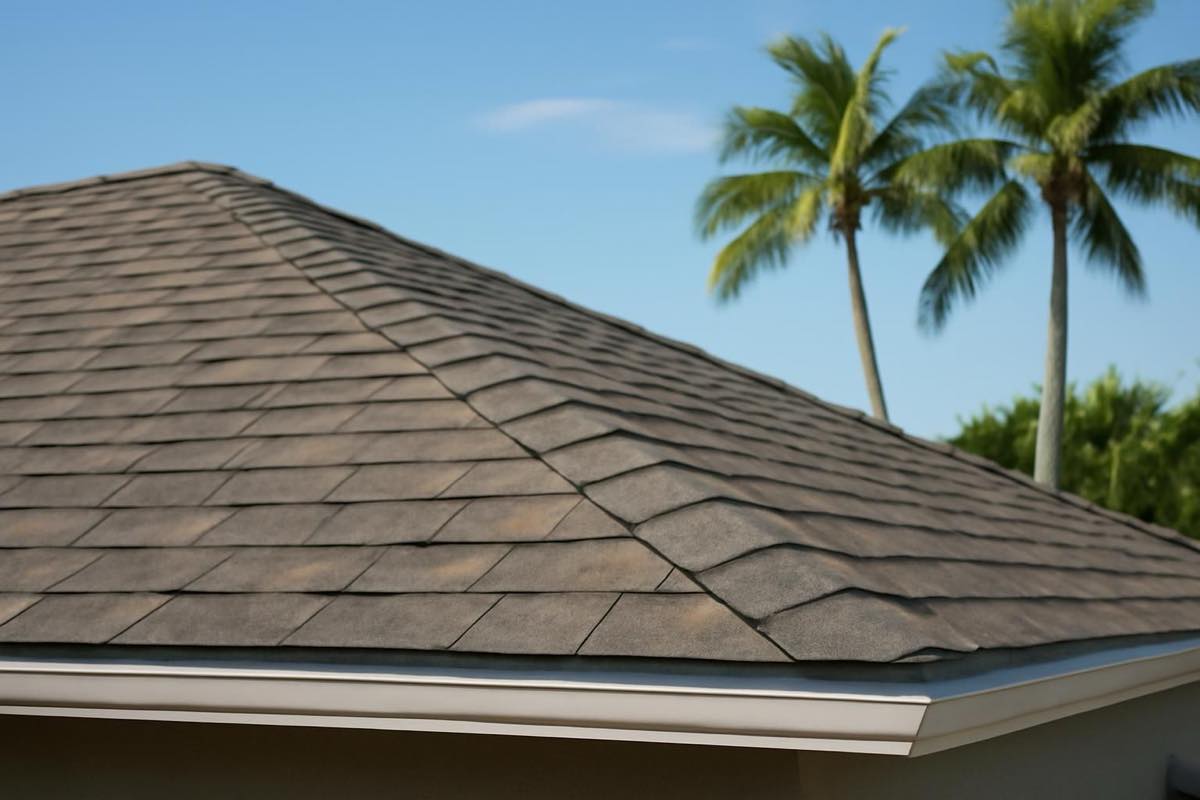
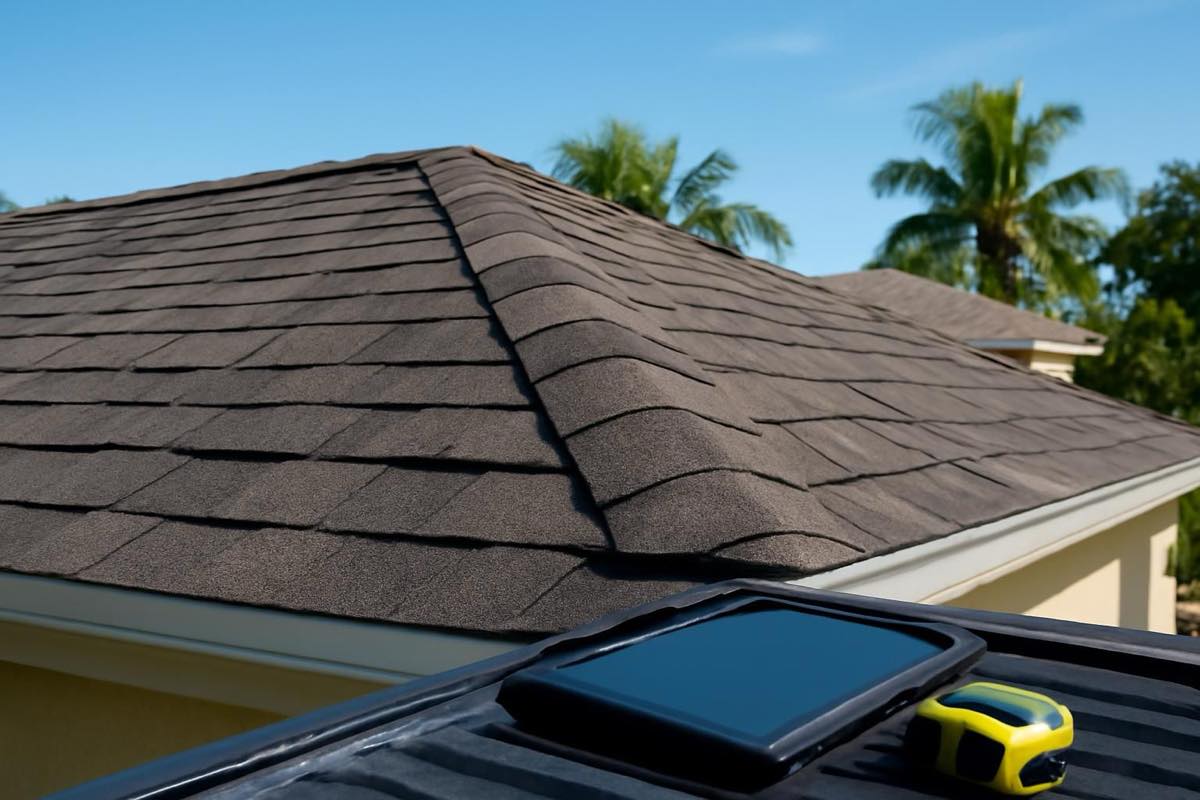
- Ridge Cap and Hip Shingles: Standard 3-tab cut shingles pay differently than high-profile manufactured caps. Both are entered in LF; selecting the wrong code slashes your approved labor and material values.
- Overhead and Profit (O&P): Generic classes rarely cover O&P strategy. When a project involves three or more distinct trades—such as roofing, gutters, and siding—applying standard 10 and 10 O&P is justified and necessary to protect project margins.
How do you handle missing measurements and adjuster pushback?
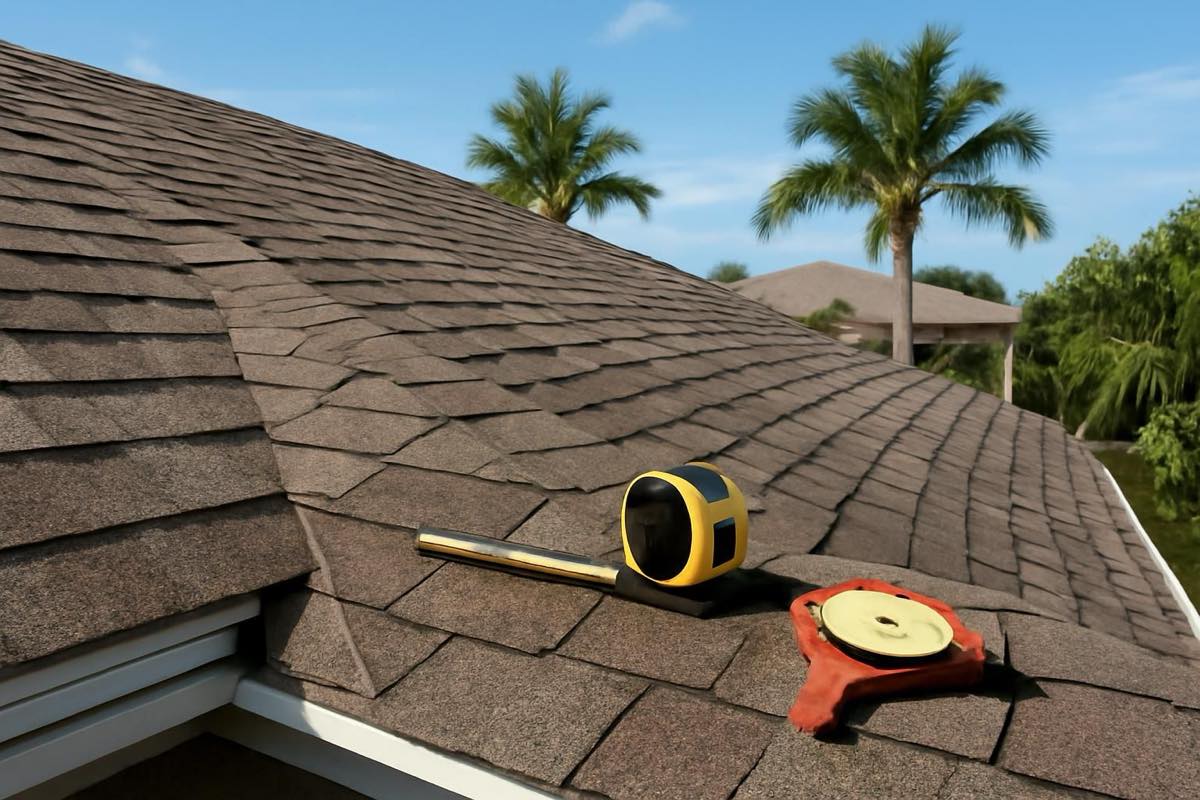
A defensible estimate starts with exact dimensions. Post-storm, estimators do not hand-measure cut-up hip roofs; they rely on third-party aerial data. Integrating measurement reports from EagleView, Hover, or GAF QuickMeasure is a mandatory workflow that basic software courses rarely teach. Waiting on those reports creates a common bottleneck that stalls early momentum.
Adjuster scopes frequently come back short. An adjuster might apply a flat 10% waste factor to a steep 12/12 cut-up hip roof, or leave off starter strip entirely.
To overcome these omissions, submit organized, date-stamped photos of rakes, eaves, valleys, and pitch cards within 30 days of the adjuster's initial scope. Throughout the process, strict compliance is essential: stick strictly to physical scope, measurement reports, and photo documentation. Never negotiate policy coverage, never waive deductibles, and never act as an unlicensed public adjuster.
How long does Xactimate training take before you can write a clean roof scope?
Expect a steep learning curve. While you can finish a foundational course in three to five days, that only teaches you where the tools live. Reaching the speed and accuracy needed to produce clean, supplement-ready estimates typically takes several months of daily estimating practice.
Early estimators make predictable mistakes:
- Assigning the wrong regional price list (which invalidates the file in the carrier's eyes)
- Omitting valley underlayment
- Miscalculating pitch waste
- Forgetting perimeter accessories
The opportunity cost adds up fast. Spending 20 hours a week wrestling with software means 20 fewer hours selling jobs, managing crews, and inspecting roofs. When peak storm demand requires your team in the field, outsourcing to dedicated roof estimators protects your time and cash flow.
How Storm Xactimate handles this for you
Instead of losing weeks to software training and troubleshooting line items, you can offload the estimating workload entirely.
Upload your job photos, project details, and third-party reports (EagleView, Hover, or GAF QuickMeasure) to Storm Xactimate. If you do not have an aerial report, Storm Xactimate orders it for you at no extra charge. A professional estimator builds your file on the correct local price list, capturing starter strip, drip edge, valley liners, and verified waste factors. We scope only the damage documented in photos and measurements; orders submitted without proof go back to the contractor for review.
Every order is tracked across five stages:
- Received
- Measuring
- Building
- Review
- Delivered
The service currently focuses on residential laminated asphalt shingle roofs in Florida, with tile and metal scopes on the roadmap.
Once we have your minimum required photos and measurement data, you receive a carrier-ready PDF within 24 hours. Files include your company branding, roof diagrams, and categorized photos (ESX files are provided on request). If the insurer’s initial scope is missing key items, upload their estimate or letter within 30 days of delivery for an included round of revisions or supplementing. Pricing is straightforward: you pay per estimate with upfront credits, applied one job at a time. Start an estimate with Storm Xactimate.
What are the most common questions about learning Xactimate?
How much does Xactimate training cost?
Official certification courses and third-party bootcamps charge for multi-day workshops, on top of recurring monthly or annual seat licenses. To compare those expenses against done-for-you roof estimating without software overhead, see the pricing section.
Where can I learn Xactimate for free?
You can find introductory tutorials, webinars, and overview videos through official software user guides, YouTube channels, and contractor forums. These free resources teach basic navigation, but they rarely address code compliance, line-item nuances, or the supplement strategies needed for contentious storm claims.
What is the best way to learn Xactimate for roofing?
Practice directly with real field scopes and third-party aerial measurement reports. Skip interior drafting tools and drill down on exterior line items: starter course, drip edge, ridge cap, valley liners, and local building code mandates.
How long does Xactimate training take?
A basic starter course takes 15 to 30 hours of instruction. Building the speed and technical accuracy required to produce clean, supplement-resistant roof estimates under storm-season pressure requires several months of daily estimating experience.